Home Window Tinting Guide
By
Bennett
Date
January 19, 2026
Read Time
2 min read
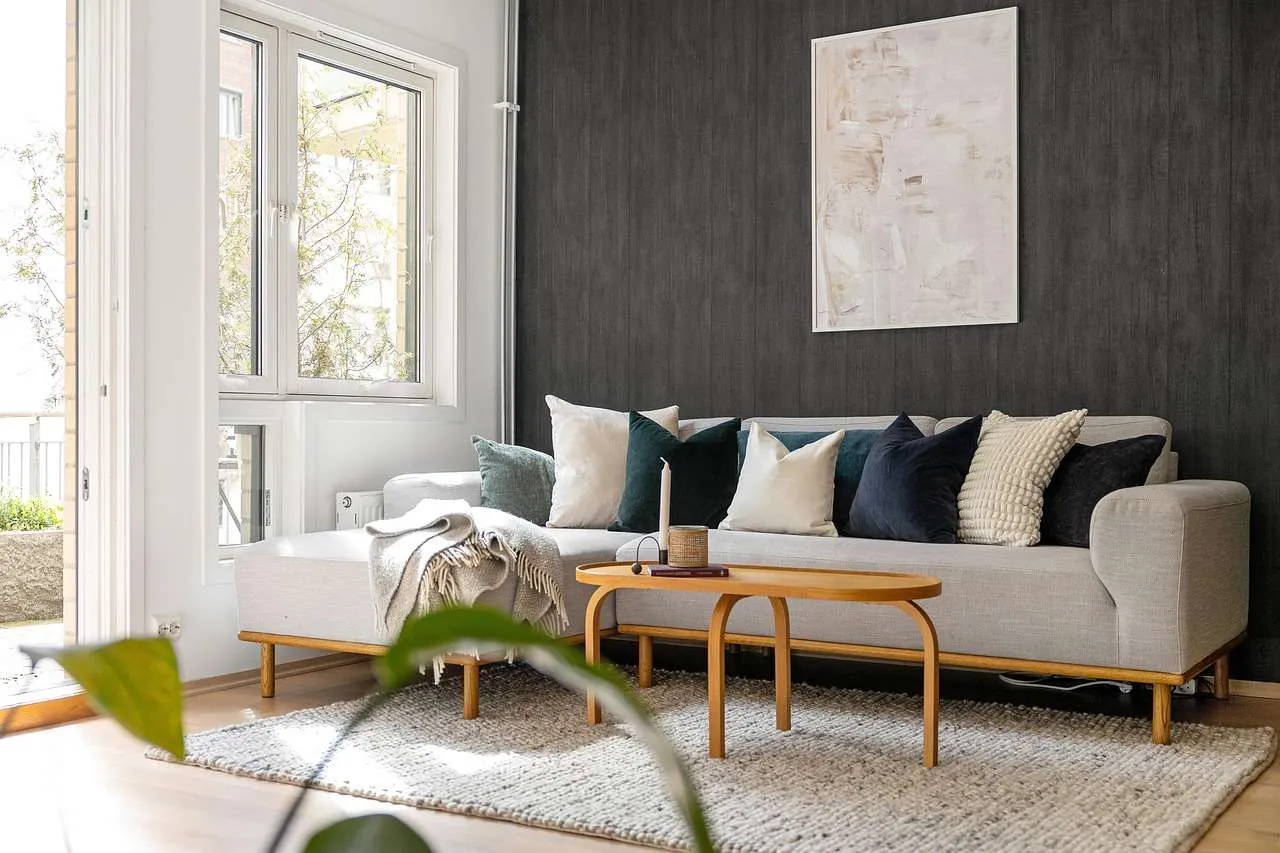
Home window tinting is a practical upgrade that enhances comfort, protects interiors, and lowers energy bills. When chosen and installed correctly, it balances natural light, reduces glare, and blocks a large portion of UV radiation that can fade furnishings and affect skin exposure.
What is home window tinting?
Window tinting uses a thin film applied to the interior surface of glass. The film can reflect heat, absorb glare, and filter UV rays while preserving visible light. The right tint keeps interiors cooler in summer, warmer in winter, and helps protect fabrics, artwork, and flooring from sun damage.
Benefits of home window tinting
- Energy efficiency: lowers cooling loads and can reduce utility bills, especially in hot climates.
- Glare reduction: improves comfort in rooms with strong sun or bright screens.
- UV protection: blocks up to 99% of harmful UV rays, safeguarding skin and interior furnishings.
- Interior protection: slows fading of carpets, curtains, and artwork.
- Privacy and aesthetics: enhances street privacy without making rooms feel dark.
- Potential ROI: lower energy costs can contribute to a favorable payback period over time.
Types of window tint and how they work
Different film technologies offer varying levels of heat rejection, glare control, and color stability. Understanding these options helps you choose a tint that matches climate, home design, and legal requirements.
| Film Type | Typical VLT | Infrared Rejection | UV Protection | Common Uses | Pros | <Cons |
|---|---|---|---|---|---|---|
| Dyed | 20–60% | Low–Moderate | 95–99% | Living areas, bedrooms | Low cost, good glare control | Can fade over time |
| Metalized | 10–50% | Good | 95–99% | Large panes, sunny exposures | Strong heat rejection, durable | Possible reflectivity and signal interference |
| Ceramic | 30–70% | Excellent | 99% | Living rooms, skylights | Excellent heat/UV control, natural color | Higher cost |
| Carbon | 35–60% | Very Good | 99% | Residential upgrades | Stable color, strong heat control | Moderate to high cost |
Choosing the right tint for your home
Selecting the best tint involves considering room orientation, glass type, climate, and local regulations. Southern and western exposures typically benefit from higher heat rejection, while privacy needs may steer you toward a lower VLT for certain rooms. Always verify warranty terms and ensure installation is performed by a licensed professional to maintain glass warranties and adhesion quality.
DIY vs professional installation
DIY tint kits exist, but home window tinting for multi-pane or large areas often requires precise cutting, proper installation, and careful edge sealing. Professional installers provide accurate measurements, bubble-free application, and a warranty. They also handle climate-specific adhesives and surface preparation to avoid costly mistakes that can compromise long-term performance.
Cost considerations and return on investment
Costs vary with film type, area, and labor. Typical installed prices range from roughly $5 to $15 per square foot, with premium ceramic or carbon films priced higher. ROI comes from energy savings, reduced glare, and extended furniture life. In temperate climates with rising energy costs, payback may occur within a few years; in milder areas, benefits may be more modest yet still worthwhile for comfort and protection.
Maintenance and care
Keep tint films in top condition with a soft microfiber cloth and a mild, non-ammonia cleaner. Avoid abrasive pads and harsh solvents that can scratch or degrade the film. Periodically inspect edges for lift and reseal if needed. Schedule professional inspections every few years to confirm adhesion integrity and to address any warranty requirements.
Common myths and facts
- Myth: All tints are the same. Fact: Films vary in VLT, infrared rejection, UV control, and longevity.
- Myth: Tinting will ruin window clarity. Fact: Modern films are designed to preserve clarity while reducing glare.
- Myth: Tinting is a one-size-fits-all solution. Fact: The best choice depends on climate, orientation, and privacy needs.
- Myth: DIY installation guarantees immediate perfection. Fact: Professional installs reduce bubbles, edge lift, and warranty problems.
Comparison of Tint Options
| Option | Heat Rejection | Privacy | Cost | Best For |
|---|---|---|---|---|
| Dyed | Moderate | Moderate | Low | Budget upgrades |
| Ceramic | Excellent | High | High | High-performance living areas |
| Carbon | Very Good | High | Moderate | All-around performance |
| Metalized | Good | Medium | Low–Moderate | Energy efficiency with reflective look |
Quality matters: choose a reputable product line with warranties, and insist on professional installation, proper cleaning guidelines, and clear measurement. A well-chosen tint supports comfort, interior protection, and home aesthetics for years to come.
Conclusion, home window tinting is a smart upgrade when aligned with climate, design, and budget. By selecting the right film, hiring qualified installers, and following care guidelines, you can enjoy cooler interiors, lower energy costs, and improved protection from sun damage.